




Sup healthtechies.
A fun toilet seat ‘sittable’ device, the 3rd health secretary of the summer, Bryan Johnson has cloned himself and is keeping said clone in a petri dish (apparently). Also, the next SomX event waiting list goes up and it’s ok, there is good science and tech happening - Anthropic crowned the winners of a hackathon that had actual lab data behind it. Onwards.
News Bites 🥪
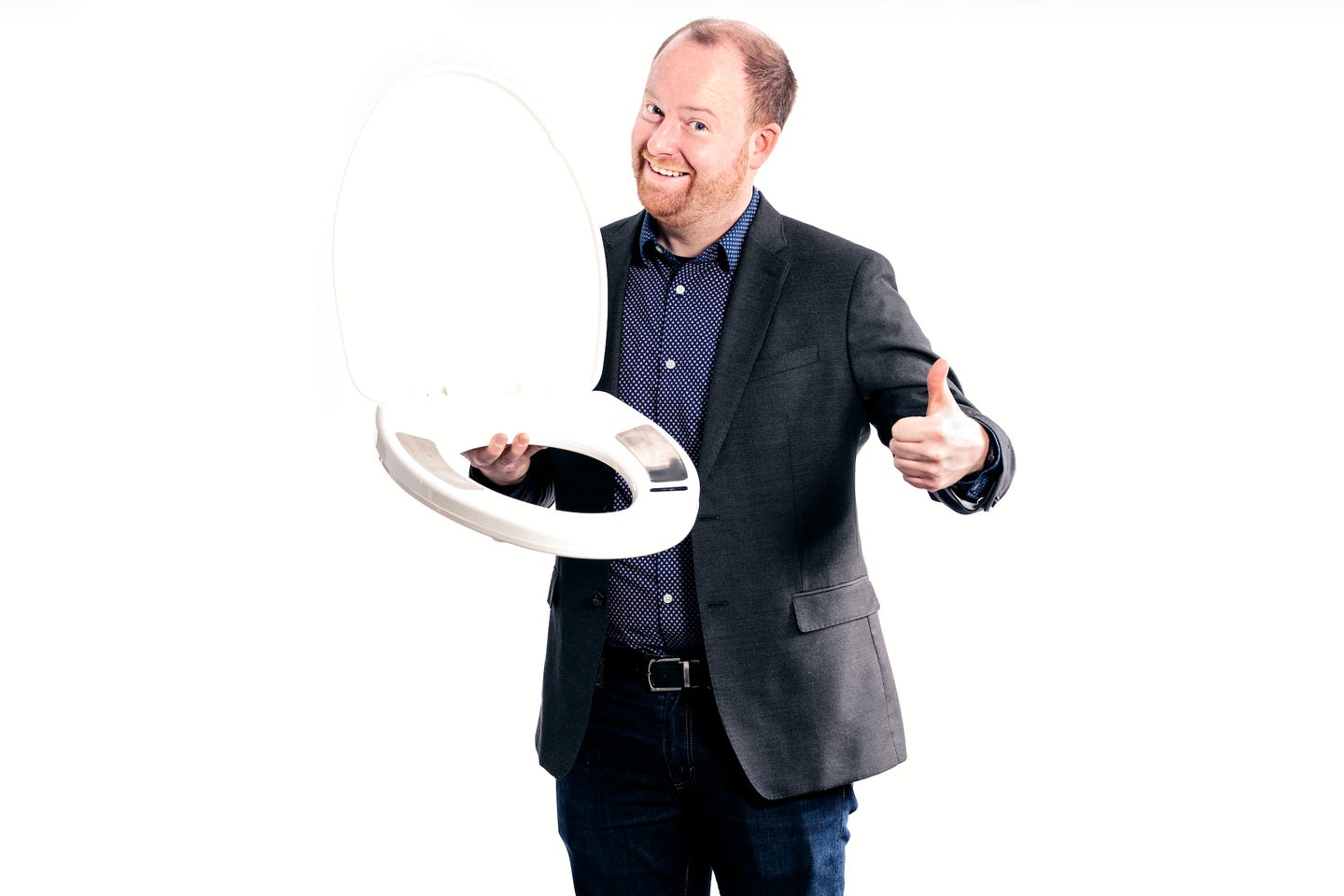
🚽 The smartest seat in the house: Casana has raised $46m to make "sittables" the next wearables, which is a sentence I can't believe I'm writing but here we are. The $199 “Smart Seat” tracks blood pressure, heart rate, O2 sats and respiratory rate every time you sit down. No USB charging nonsense, no syncing, no problem. They’re explicitly targeting the over-65s who won’t wear a ring but will, absolutely, use a toilet. Now… we joke, because toilet humour is obviously hilarious, but this is built around doing absolutely nothing differently, which, given how bad humans are at adherence to anything, is ideal. If it only picks up what’s actionable and doesn’t cause additional stress about meaningless metrics, I think I’m a fan.
🏛️ Yvette Cooper becomes the NHS’s third boss in nine weeks: James Murray was in the job for two months. He replaced Wes Streeting, who resigned in May. Now Yvette Cooper’s in. I’ll defer to the NHS experts over the next few days to analyse what this is likely to mean (some opinions here), but Yvette said it’s an honour and wants to improve maternity services and “take forward plans for social care.” Kings Fund CEO gave a hint at the chaos about to hit her inbox, saying all this is urgent… steering through the largest NHS reorganisation in over a decade, implementing a sweep of plans and strategies already set in motion, life sciences sector plan, capital plan, cancer plan and upcoming workforce plan. Apparently they’ll all need Yvette Cooper’s immediate attention. Ah yes, the old ‘your incompetence is now my emergency.’ Welcome to having an NHS inbox.
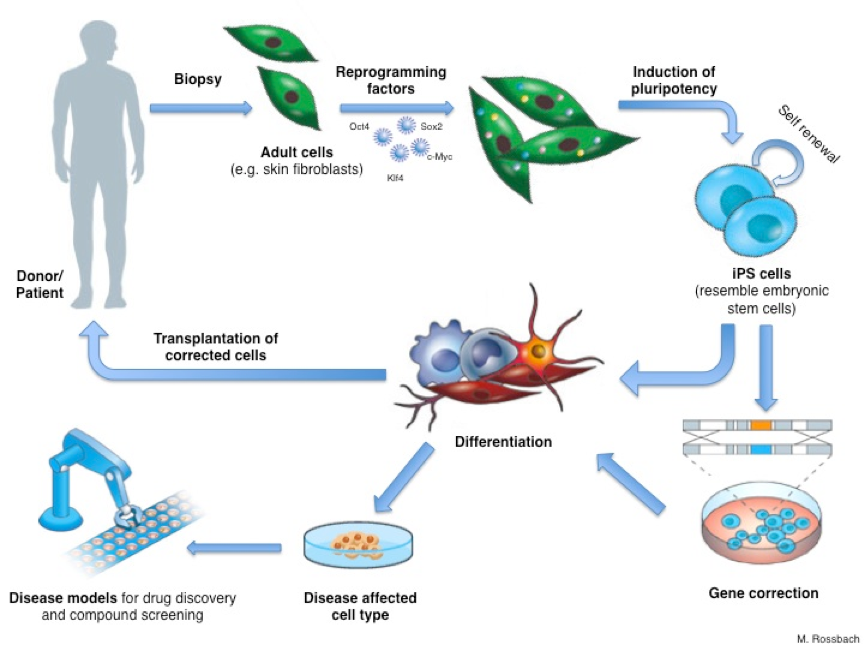
🧬 Bryan Johnson’s cloned himself (ish): The longevity guru, freshly diagnosed with autoimmune gastritis, has now announced he's "cloned" himself. Alright, firstly, he hasn't, what he's actually done is have his blood cells reprogrammed into induced pluripotent stem cells (iPSCs). Reassuringly, that isn’t a miniature Bryan gestating in a petri dish, but you can tell he’s fully leaning into dystopian language and outrage as a marketing tactic (which is working). And, by the way, he hasn’t got an illegal offshore lab doing anything too rogue (I don’t think). iPSCs are from Nobel-winning science and they’re a proper platform for testing drugs against your own biology and, eventually, maybe growing autologous tissue. BUT there's a canyon between what he’s doing and a transplantable organ, and so far there's no published data, no named lab, and no assay certificate to say he's cleared even the first hurdle.*
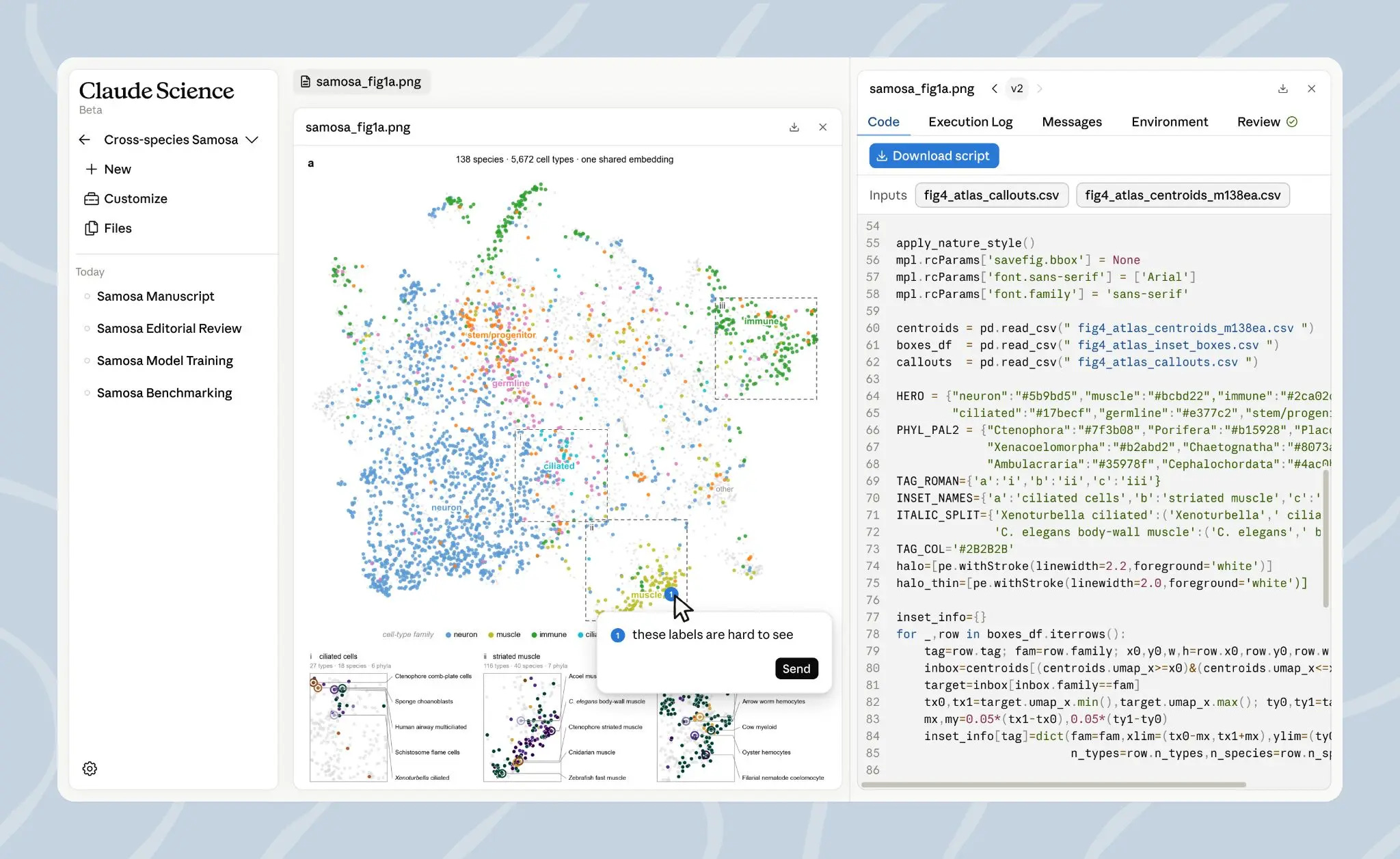
🧬 Claude Gets a Lab Coat: Anthropic has gone all in on the life sciences with Claude Science, an "AI workbench for scientists" that stitches together databases, notebooks and cluster jobs that researchers currently struggle-through by hand, with a reviewer agent checking the citations, summing as it goes. To show it off they ran a global hackathon with the Gladstone Institutes, and yes, ok, they’re weekend prototypes rather than being clinic-ready, but the winners show what AI capabilities can really do for us in the near future… e.g. NCypher hunts the non-coding DNA behind an almost-always-fatal childhood brain cancer, and Lazarus resurrects abandoned research code, in one case fixing a bug that had sat untouched for 15 years.
🤖 Bunkerhill Health raises $55M to let hospitals build their own AI agents: This is the global direction of travel and you can tell because all the big names are all in on it. Khosla-led Series B with Sequoia, Felicis, Optum Ventures and Y Combinator all staying in for Carebricks, a platform that lets health systems build and deploy their own clinical AI agents instead of buying one point-solution at a time. More than 20 agents are apparently already live at the University of Texas Medical Branch, including one that triaged a patient straight into an emergency triple bypass. Sounds great. Yes, outcome figures are company-supplied, from a single institution, and only some of the underlying algorithms are FDA-cleared, and yes, agentic AI making decisions and taking actions inside a hospital is a liability nightmare, but we can’t complain about a lack of workforce capacity, then complain about the solution just because it’s hard to figure out. This is why we all work here. Let’s figure this out.
Pigeon insider is the upgraded newsletter for those of you that want deep research and to steal fantastic ideas to sound incredibly smart in front of everyone else.
This week’s is an exploration into “can we autonomously deliver primary care?” Because according to one company in the US… “fully autonomous primary care is ready to be launched.” Expect a deep dive into LLM capabilities, knowledge graphs and a critical look at how healthtech companies claim their AI capabilities.
What to listen to 🔊
This week I had Professor Reza Razavi, Professor of Paediatric Cardiovascular Science at King's College London and CEO of Fraiya, an AI ultrasound software company onto the pod. His daughter had a near-fatal, undiagnosed heart condition as a newborn, which set him on a path to close the gap between the 50% of congenital heart defects currently missed and a detection rate approaching 97-98%, with AI.
Dr Cosima Gretton on the move from clinical medicine into product, running LAMP testing at NHS Test & Trace, and now building the infrastructure at Our Future Health to recontact 2.5 million participants. Her argument that product thinking and medical training pull in opposite directions is worth the 39 minutes alone.
Not strictly healthtech, but a very strong 17 minutes from TED Health on why the boring (sleep, a proper chat with a friend) does more for you than the flashy. Psychologist, Sonja Lyubomirsky, makes the case that our relationships aren't just nice to have, they're a genuine health input. Worth a listen if you spend your days building digital tools and occasionally forget that connection is the OG.
Events 📅
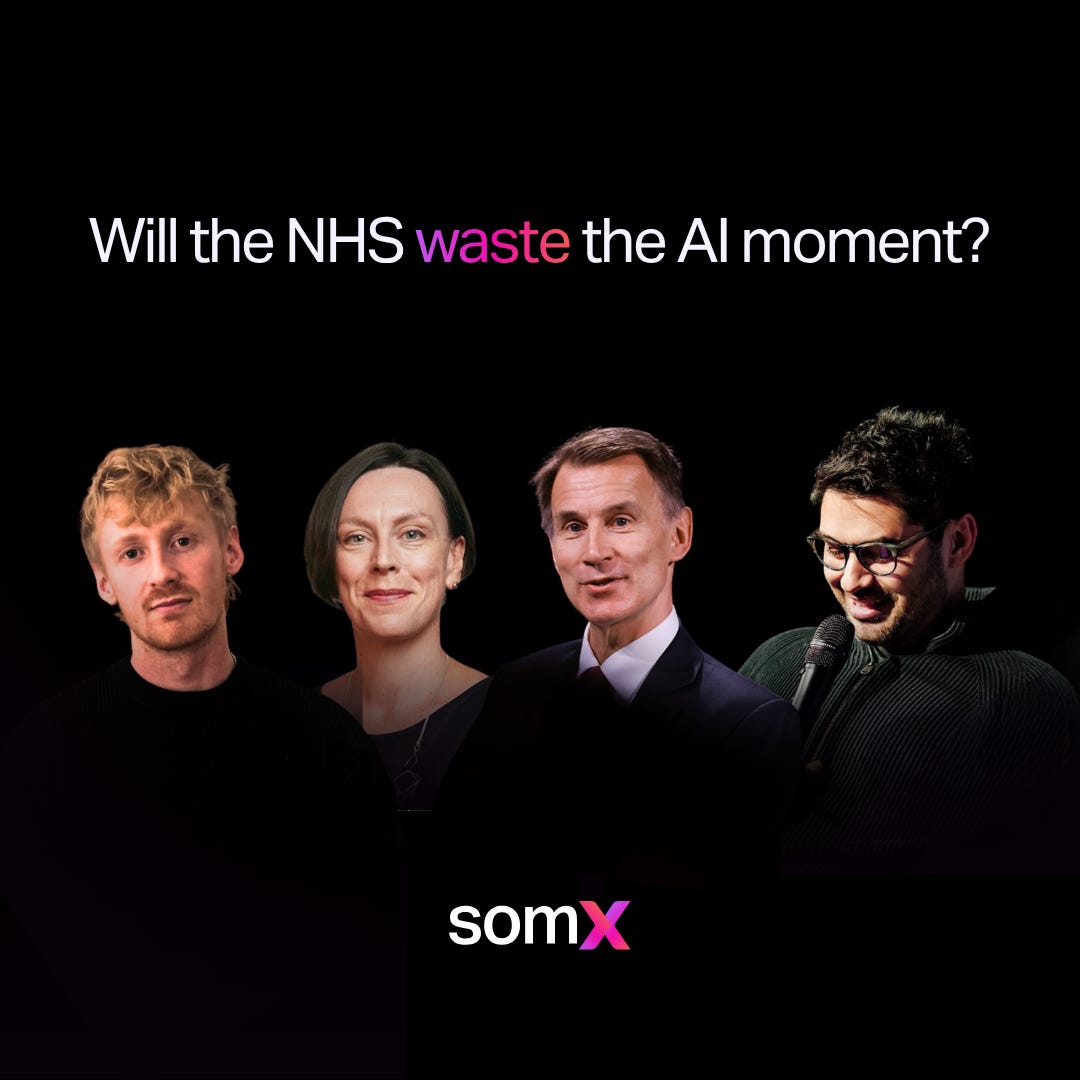
Get ready for this one. Save the date, 2nd September, 6pm. And yes, that’s exactly who you think it is👇
NXGN Season 2: The Future of Healthcare
🗓️ 30 July
🇬🇧 London.
Welcome to the Season 2 opener from NXGN, with a candid community evening on where healthcare is heading across the whole patient journey. Founders, clinicians and investors, minus the polished stage-speak.
Healthtech Talks: Will the NHS waste the AI moment?
🗓️ 2 September
🇬🇧 Hale House, London.
We’re back, and this time we’re bringing Rt Hon Sir Jeremy Hunt, Tara Donnelly, one of the NHS’s most respected digital leaders and former Chief Digital Officer at NHS England and Jack Needham, cofounder of Sanctuary Health, to get to the nub of where AI can tangibly make a difference in secondary care, where it will disappoint, and what it would really take for the health service to seize this moment.
HealthVC Summit 2026
🗓️ 2-3 September
🇨🇭 Zurich.
Two days connecting health investors and founders across Europe, China and Saudi Arabia. If you’re raising, this is where the cheque-writers gather.
Mental Health Innovation Showcase, Hale House
📅 15 September
📍 🇬🇧 Hale House, London.
MHIN's showcase returns to the Harley Street Health District for a full day (noon to 9pm, so pace yourself) of mental health innovation. Given how much of this space still runs on vibes rather than evidence, worth your time.
Life Sciences Week 2026
🗓️ 21-25 September
🇬🇧 Birmingham.
Britain’s national life sciences week, pulling biotech, medtech, pharma, academia and investors into one place. A proper cross-sector convening rather than the usual echo chamber.
LSI Europe ‘26 Emerging Medtech Summit
🗓️ 28 September-1 October
🇪🇸 Grand Hyatt Barcelona.
Europe’s leading emerging-medtech investor summit, matching founders with VCs, PE and strategics. Sunny, well-connected, and squarely aimed at getting deals done.
TechBio UK 2026
📅 13 October
📍 🇬🇧 Kings Place, London.
The BIA’s flagship TechBio conference, uniting biotech, pharma, tech and investment leaders.
Harley Street Health District Conference 2026
📅 20 October
📍 🇬🇧 1 Wimpole Street, London.
A full-day conference from the district becoming one of London’s biggest healthtech hubs.
Visit the SomX events page or subscribe to SomX’s events roundup for everything else.
Jobs 💰
🐢 Commercial Director, TORTUS (London): TORTUS want someone to own go-to-market across the UK and EU and deliver 2-3x revenue growth. If you can sell clinical safety as hard as TORTUS talks about it, this is the one.
🔬 Digital Innovation Deputy Portfolio Lead, UCLH: UCLH's Digital Innovation Hub is after someone to get research out of the lab and into use across the trust. You'd own a portfolio of innovation projects, sit between the academics and the clinicians, and be the person deciding what gets prioritised, delivered and killed. Band 8b (£75k to £86k inclusive of HCAS), 21 months fixed term, London. Closes 26th July (today!)
🩺 Advanced Nurse Practitioner / Advanced Clinical Practitioner, Doccla (Hybrid, UK): Doccla runs virtual wards for a huge chunk of NHS ICBs. This is the clinical seat inside that machine, remote monitoring at genuine scale.
🇺🇸🗽 NXGN USA is growing
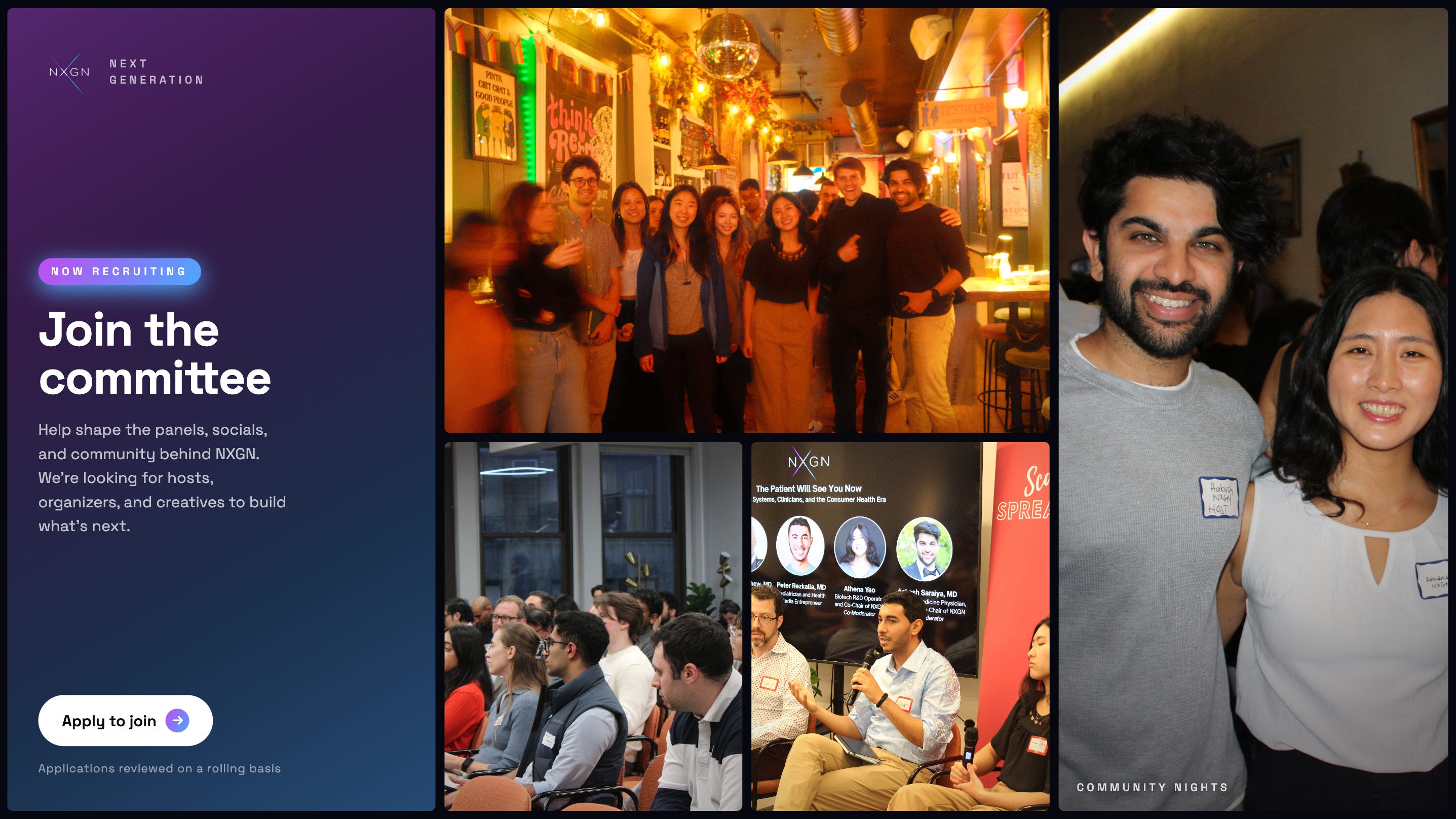
The US arm of the next-gen healthtech and biotech community is expanding its committee. If you’re an early-career founder, clinician or operator stateside and want a seat at the table to organise events and community (with a budget), message me and I’ll forward it onto Aakash and Athena.
📣 Want something in front of our 8,000+ readers?
You can break your news as the main story, feature a podcast, job or event... and we even have a few sponsorship packages to choose from...
We review everything editorially - if it is not right for our audience, we’ll let you know - everything has to be valuable to this glorious community.
See you next week, Pigeon fans ✌🏼
James’ editor notes
* Biology lesson incoming… Every cell in your body has the same DNA, but a skin cell "knows" it's a skin cell and a neuron "knows" it's a neuron. In 2006 Shinya Yamanaka worked out that you could wipe that identity by forcing 4 genes back on (Oct4, Sox2, Klf4 and c-Myc, now universally called the Yamanaka factors), which resets a mature cell to an embryonic-like blank slate that can, in principle, become any tissue in the body. That's what an induced pluripotent stem cell (iPSC or iPS cell) is. Yamanaka got the Nobel for it in 2012 and iPSCs are now everywhere in drug testing and regenerative medicine. Worth noting 1 of the 4 factors, c-Myc, is a well-known oncogene, which is a big part of why turning reprogrammed cells into safe, functioning organs is tricky without them turning cancerous.

Healthtech Pigeon is produced by SomX - the media-led communications and creative agency for healthcare. We help healthtech, biotech, pharma and public sector organisations tell sharper stories through strategy, PR, content, design, events and media production. Built by clinicians, scientists and creatives who know the space. Work with us.