



Hello healthtechies,
It’s AI-assisted everything this week… brain surgery, prostate surgery, mental health therapies, cancer screening. And some bonus underwater robots.
Healthtech’s having a real moment and I’m almost certain that the 20’s (it’s very weird that we’re in “the 20s”) will be looked back on as the final pre-AI decade.
Lots to be optimistic about.
James.
PS: See you at SomX Healthtech Talks on Wednesday if you’re coming. It’s gonna be a good one.
News Bites 🥪
🩺 NHS England rolls out free HPV home-testing kits for millions of women: From today, roughly 4 million women in England who’ve missed their cervical screening invitations get a vaginal swab kit for high-risk HPV via the NHS app. Only 68.8% of eligible women are currently up to date (against an 80% target) due to embarrassment, discomfort, no time, and, frankly, the faff of booking an appointment to have a speculum used by a stranger. The YouScreen trial suggested self-testing could add around 400,000 screens a year, which would be a decent dent in the gap. No AI, no algorithm, strong use of the NHS App and its distribution.
💍 Oura faces class-action lawsuit over sleep tracking accuracy: Apparently a ring that measures heart rate, temperature and movement cannot credibly claim "95% sleep staging accuracy compared to clinical sleep lab" when polysomnography means electrodes on your scalp, leads on your eyes and sensors on your chin. Oura says its algorithm’s peer-reviewed, validated, and never marketed as a medical device, which is all true but, hear me out… I think that’s beside the point. If you use clinical language without accepting clinical accountability and people change their behaviour after wearing it, especially around something as fundamental to health as sleep, then saying “it’s a wellness device, not a medical device” is a loophole that, in my opinion, needs closing. Very interested in how this plays out…
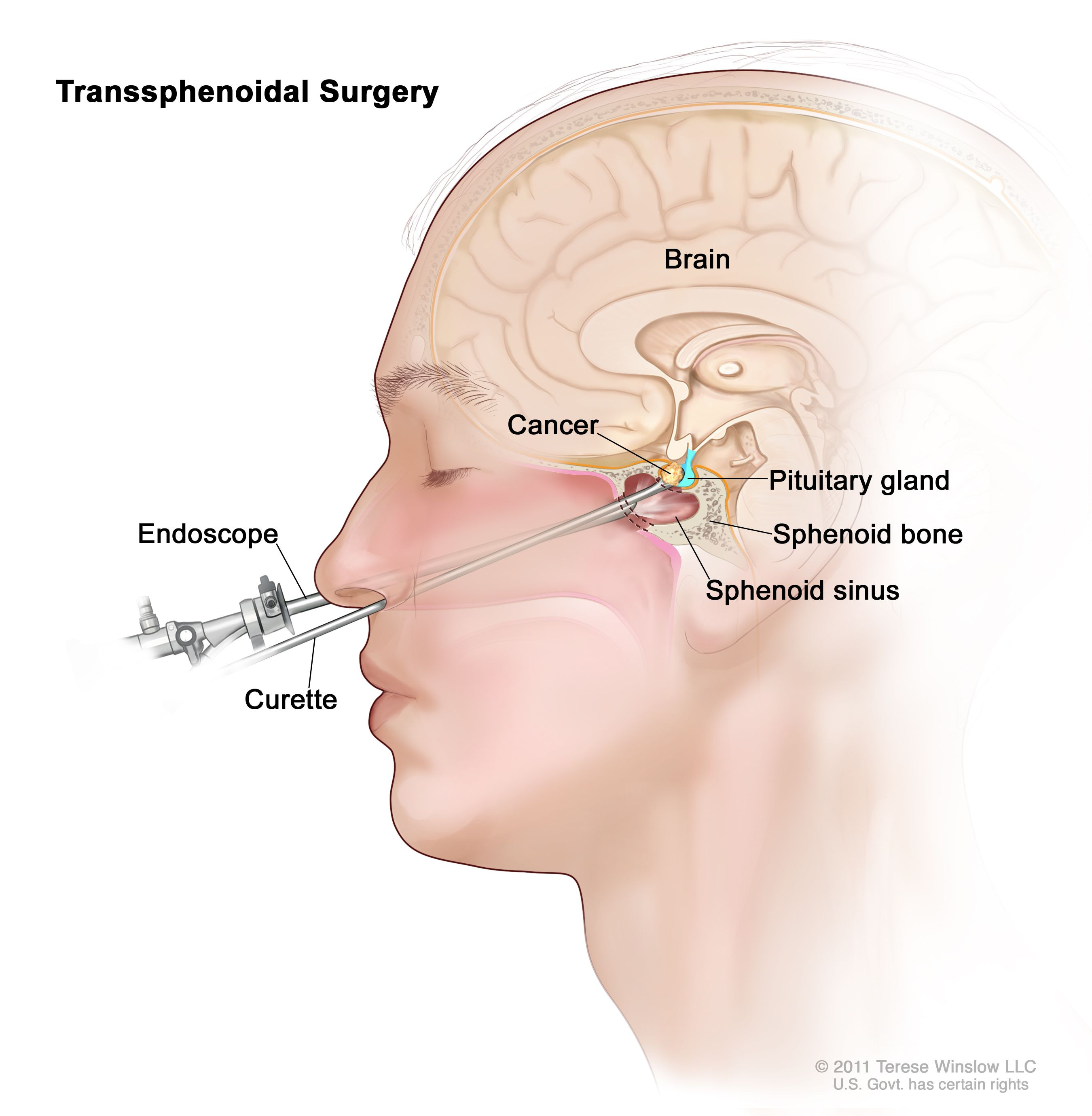
🧠 The world's first live AI-assisted brain surgery went well: This is what we want to see from healthtech, and in BBC News too… Surgeons at UCLH went through the patient’s nose with an endoscope to reach an 11mm pituitary tumour pressing on his optic nerves (@medics, the classic optic chiasm, peripheral vision loss etc.), while a tool trained on hundreds of previous operations watched the video feed in real time and flagged where the carotid arteries and nerves were likely to be. Given a 25%-50% chance of not getting the whole mass out and 2% chance of hitting a major vessel, a second pair of AI generated eyes sounds pretty useful. Eight weeks on, full vision has returned. Textbook. NIHR and Google funded it, a bigger trial is coming, and this is healthtech doing its thing. Glorious.
📞 Limbic will test voice AI therapy with Medicare: The future’s here. Limbic have a voice AI agent that phones Medicare patients for 20-minute CBT sessions (with clinician oversight). Interestingly, Limbic set up its own medical group to become a licensed Medicare provider so it can share the risk. Respect. Ross Harper, CEO said "existing regulatory frameworks were not written for generative AI in healthcare" which is very true, but he isn’t hanging around until they change, and with FDA, is effectively improvising a pathway in real time. More interestingly, several US states are regulating against mental healthcare provision using AI while this goes through.
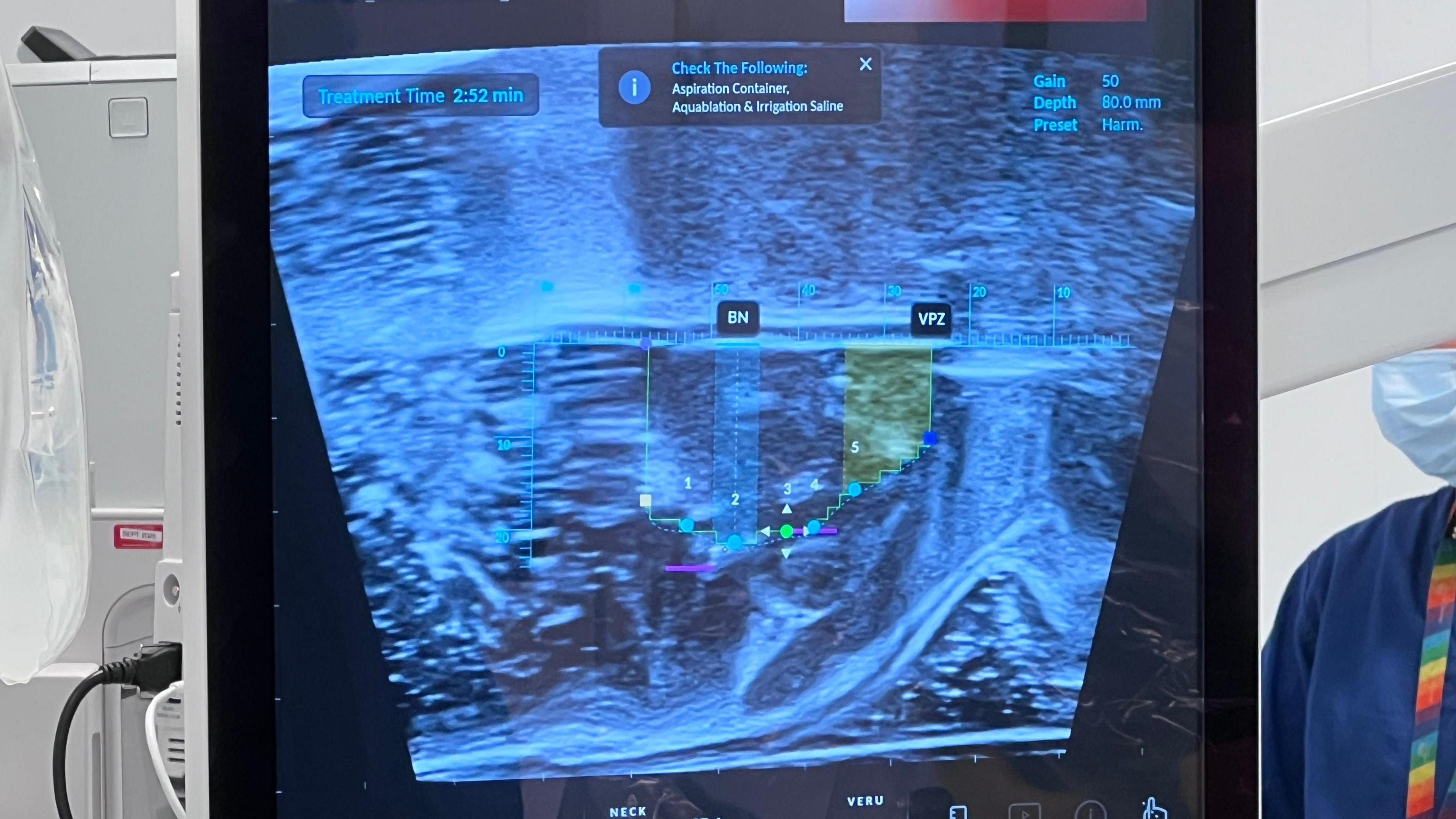
💦 AI-assisted water jet surgery is here, for prostate care: Next time you’re looking to assert your healthtech dominance over someone, ask their opinion on the latest advancements in “AI guided aquablation.” Then go on to explain that an 8,000 psi water jet, guided by ultrasound and an AI trained on 100,000 previous cases, strips out excess prostate tissue in BPH patients. It’s accurate to within a millimetre, so, thankfully, nothing like jet-washing your patio, which I know you’re wondering about. Jokes aside, so far, no new erectile dysfunction, ejaculation preserved in around 90% of patients, and stress incontinence <0.5%. Next to the traditional TURP numbers, I can tell you that is almost unbelievable. (To be clear, AI does the planning, not the cutting, and the surgeon signs off the plan.)
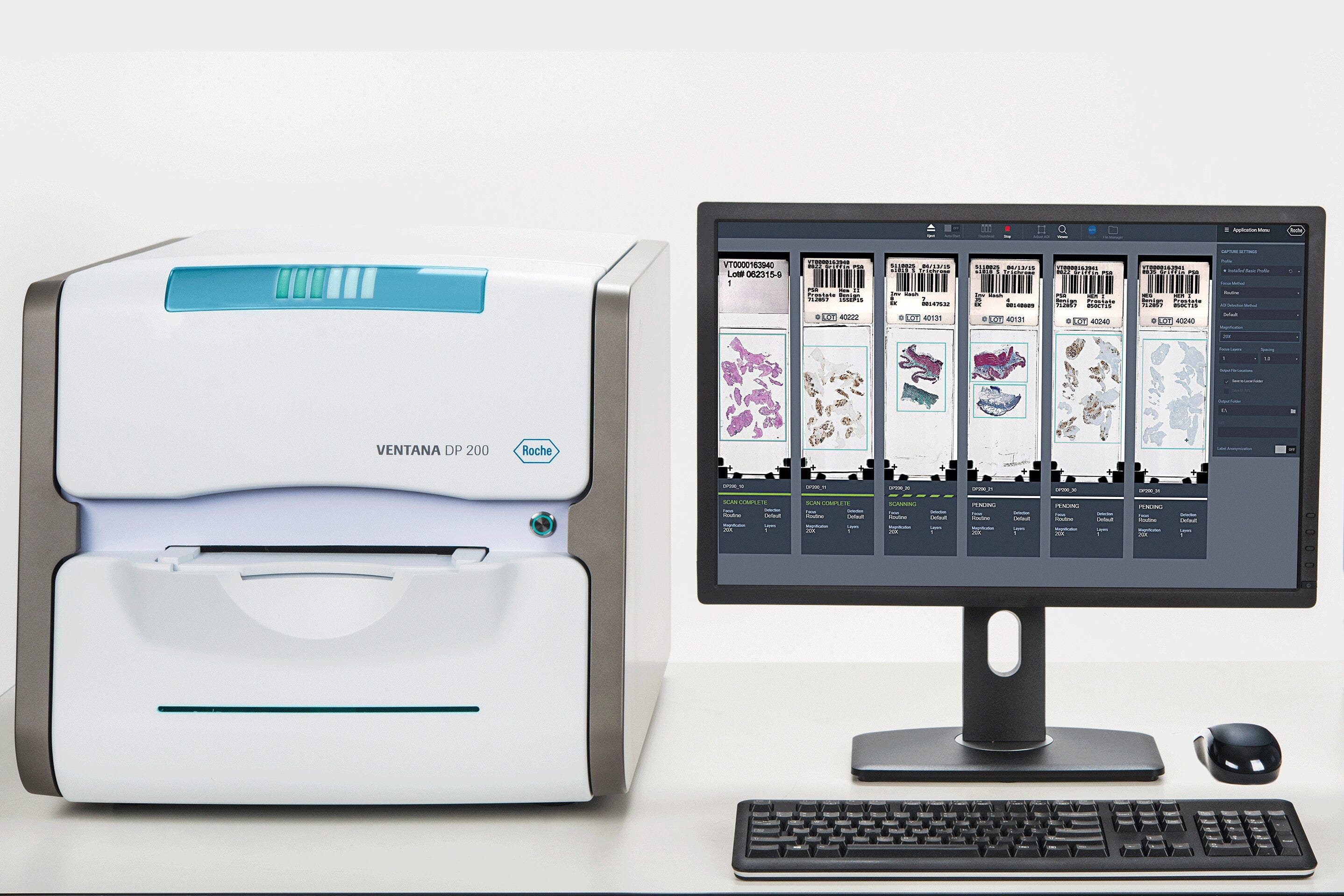
🔬 The AI-assisted breast cancer screening tool for pathology: Harrogate’s brought in a £40k AI-enabled HER2 tissue scanner, which digitises breast cancer samples and helps pathologists call HER2 status faster. The £40k’s from a charity, which is interesting in the context of innovation more broadly, because it’s not from a national programme, or a trust capital line. That’s the problem I’ve just written about for this week’s Pigeon Insider (out in the next couple of days - just awaiting sign-off from someone quoted in it). Essentially, pathology AI struggles to justify itself inside the normal NHS business model, because the savings are made within someone else's budget. And, even if it does get funded, the benefit’s a quicker department without any cash release, so no financial ROI. Hence, like here, it gets funded off-piste, by charities, goodwill and someone's labour of love. The model needs fixing.
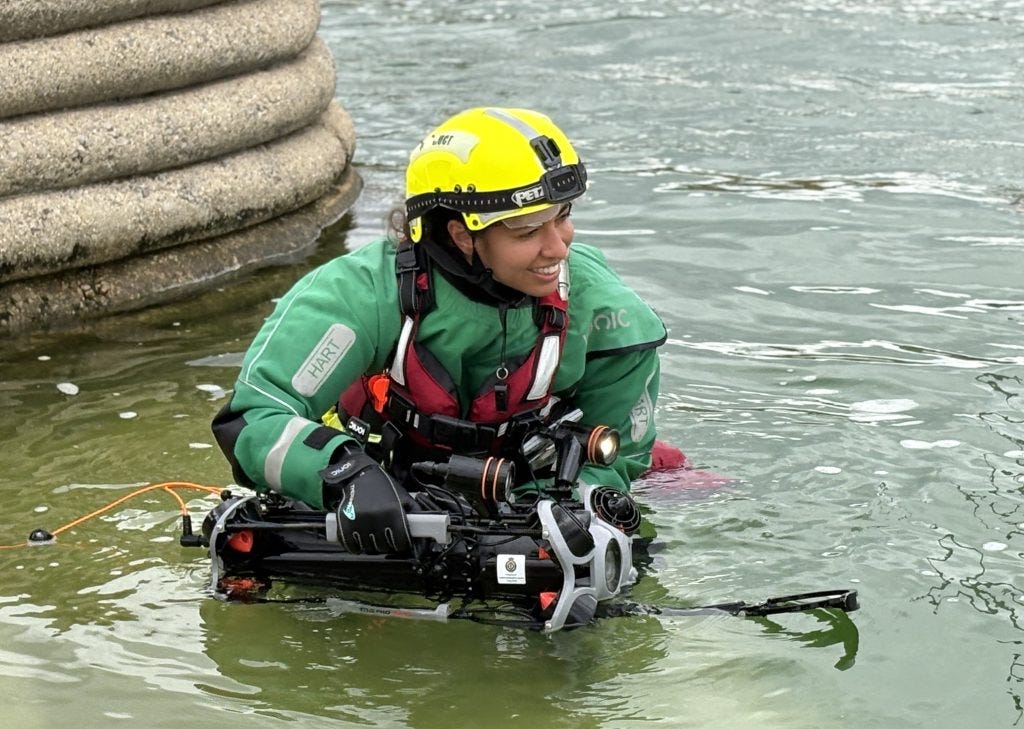
🤿 The NHS has bought lifesaving robot submarines: The London Ambulance Service responds to more than 50 drowning incidents a year, and after a summer of heatwaves, it’s spent £40k on four underwater drones. The Hazardous Area Response Team uses sonar to find a submerged casualty, then sends a drone down with an arm attachment to bring them up, streaming video back to the operator on the bank. Deployment takes under two minutes from the water's edge, which, given warm water accelerates oxygen consumption and shortens an already brutal window, is vital. By NHS capital standards, essentially loose change behind the sofa leading to lifesaving tech being deployed. Excellent.
What to listen to 🔊
This week I chatted to Dr Sai Narimetla, an A&E doctor who simultaneously works in investment banking at SSG Capital. Officially, this is about why healthtech hasn't produced the exits that biotech and medical devices have, but in reality you’ll get just as much if you’re after a lesson in time management.
New estimates suggest the Federated Data Platform's benefit value is £1.7bn lower than the figure NHS England gave a year ago, plus the national safety watchdog's new investigation into NHS AI use.
Steve gets 51 minutes with Penny Dash, Chair of NHS England, and doesn't waste them. She takes a tour of the world's health systems (no clear winner, but she thinks India could end up the global exemplar by using tech to drive down the cost of care), explains why Germany prices surgery like a market, and lands some harder truths closer to home… your GP record and your hospital record are still two different systems, "world-class" EHRs are often just PDFs in a trenchcoat, and the single patient record fight has been recycling the same objections for thirty years.
Events 📅

Final, final, final call for Wednesday’s blockbuster event…
SomX Healthtech Talks: Will the NHS waste the AI moment?
🗓️ 2 September
🇬🇧 Hale House, London.
We’re back. And this time, we’re bringing the Rt Hon Sir Jeremy Hunt who served as Chancellor, Foreign Secretary and Secretary of State for Health and Social Care. He’s joined by myself (Dr James Somauroo), Tara Donnelly, one of the NHS’s most respected digital leaders and former Chief Digital Officer at NHS England, and Jack Needham, cofounder of Sanctuary Health, bringing AI to the NHS. I want to get to the nub of where AI can tangibly make a difference in secondary care, where it’ll disappoint, and what it’ll actually take behind the scenes for the health service to truly seize the day. Expect Chatham House Rule, real opinions and stories never heard.
HealthVC Summit 2026
🗓️ 2-3 September
📍 🇨🇭 Zurich.
Two days connecting health investors and founders across Europe, China and Saudi Arabia. If you’re raising, this is where the cheque-writers gather.
Longevity Investors Conference 2026
🗓️ 14-17 September
📍 🇨🇭 Gstaad.
Family offices, funds and private investors in a ski resort, talking rejuvenation science with the people doing it. Heavy on capital, occasionally light on endpoints, but the money moving into longevity is real and worth watching.
Mental Health Innovation Showcase, Hale House
📅 15 September
📍 🇬🇧 Hale House, London.
MHIN’s showcase returns to the Harley Street Health District for a full day (noon to 9pm, so pace yourself) of mental health innovation. Given how much of this space still runs on vibes rather than evidence, worth your time.
Life Sciences Week 2026
🗓️ 21-25 September
📍 🇬🇧 Birmingham.
Britain’s national life sciences week, pulling biotech, medtech, pharma, academia and investors into one place. A proper cross-sector convening rather than the usual echo chamber.
LSI Europe ‘26 Emerging Medtech Summit
🗓️ 28 September-1 October
📍 🇪🇸 Barcelona.
Europe’s leading emerging-medtech investor summit, matching founders with VCs, PE and strategics. Sunny, well-connected, and squarely aimed at getting deals done.
HETT Show 2026
🗓️ 29-30 September
📍 🇬🇧 ExCeL, London.
Three thousand-odd NHS digital and clinical leaders, 150 suppliers and five CPD streams under one roof at ExCeL. If you want to know what trusts are actually buying rather than what vendors wish they were buying, this is the one.
Harley Street Health District Conference 2026
📅 20 October
📍 🇬🇧 1 Wimpole Street, London.
A full-day conference from the district becoming one of London’s biggest healthtech hubs.
Visit the SomX events page or subscribe to SomX’s events roundup for everything else.
Opportunities 💰
🏥 Clinical Triage Manager, DDM Health: DDM’s Gro Health platform just picked up the £1.5m Birmingham obesity pathway contract and this is the operational role that makes it work. Non-clinical, remote, managing referrals and eligibility for their Tier 3 Weight Management Service.
🩺 Clinical Safety Officer, Healthtech-1: Healthtech-1’s building the front door of UK healthcare, with registration software in 26% of English GP practices. You'd own clinical safety across every product… DCB0129 artefacts, hazard workshops, incident investigation. GMC registration and NHS experience required, and the office sits inside a working GP practice in East London.
⚙️ Clinical Engineer, Anima: Anima's care enablement platform handles triage, documents and care navigation across EMIS and SystmOne for a few hundred practices. Medical degree required, coding experience isn't, which is a rare way in if you’re medical and you want to build.
📣 Want something in front of our 8,000+ readers?
You can break your news as the main story, feature a podcast, job or event... and we even have a few sponsorship packages to choose from...
We review everything editorially - if it is not right for our audience, we’ll let you know - everything has to be valuable to this glorious community.
See you next week, Pigeon fans ✌🏼

Healthtech Pigeon is produced by SomX - the media-led communications and creative agency for healthcare. We help healthtech, biotech, pharma and public sector organisations tell sharper stories through strategy, PR, content, design, events and media production. Built by clinicians, scientists and creatives who know the space. Work with us.