




Hello healthtech fans. This week… Google’s chatbot gets into The Lancet, a tiny sensor gets big money, and still nobody knows what happens when AI stacks it in healthcare.
News Bites 🥪
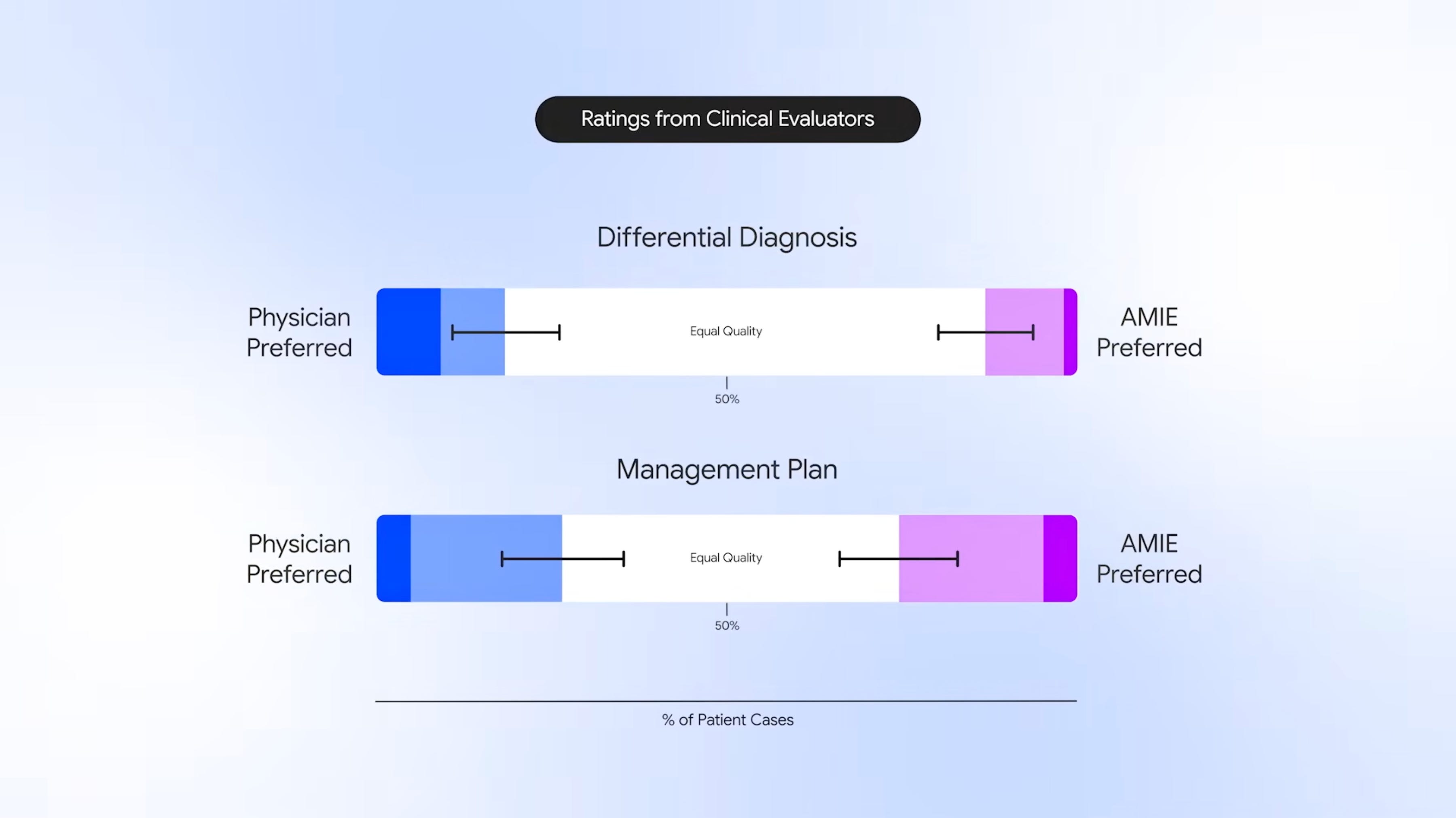
🩺 Google’s AMIE Gets Its Lancet Moment (With Doctors Watching Over Its Shoulder): I might be missing something here, but 98 patients chatted to a bot called AMIE before their urgent care visits while clinicians watched the conversations live. None had to be stopped on safety grounds, the AI diagnosis matched the final one most of the time, and clinicians said the summary helped them prepare in 75% of cases. One of the results mentioned was ‘enhancing the clinician-patient relationship,’ though I’m not sure how that was measured. Also, it’s a feasibility study, not outcomes, and n=98. Head scratcher how this is in the Lancet if I’m honest, but it looks like the start of Google running purely-AI diagnostic pathways in parallel to what happens now with those pesky humans. If I had to guess, “helping clinicians prepare” and “enhances relationships” creates a bit of justification along the way. If I wanted to plot the path to AI-only pathways, this is how I’d do it. Purely my opinion.
⚠️ Four Deaths Linked to Philips’ Point-of-Care Ultrasound: This is bad. And exactly what we (in healthtech) all need to be aware of to put principles in place so this NEVER happens. Philips’ Lumify handheld ultrasound caused 4 deaths and 8 serious injuries and the fault was in the software.

See above image so I don’t have to explain the tech beyond “smartphone + ultrasound probe.” Basically, the app can suddenly fail to recognise the probe and block scanning until the probe is registered again, but… that needs internet. If you don’t have it, you’re not using the ultrasound. Now, why would you have this device? Probably because you’re somewhere like a helicopter, an ambulance or the side of the road with someone critical. When do you need the result? Now. Imagine turning to the screen and seeing “Please register device” and “No wifi…” I feel for the patients, their families and the clinicians affected by this. Worth noting that I don’t know the exact circumstances of the injuries or deaths, but let’s all agree we must do better. The FDA has issued an alert.
📋 Healthleap raises $38M for AI that flags patient decline: We’ve heard this a fair amount over the years, but at the current pace of technology improvement and general regulatory awareness and alignment, I’m getting more optimistic. This one reads clinical notes, labs and vitals every night and puts risk scores into the care team’s workflow by morning. Starts with malnutrition and delirium and they’ve raised $38m across seed and Series A, with Sequoia and First Round in at seed and Hummingbird leading the $30m A. It’s live in 50+ hospitals, (only three a year ago which shows the pace of adoption) and it flags rather than diagnoses, which, I imagine, keeps the regulatory burden manageable.
🩸 Sava bags £27m to prove a 10x smaller CGM: I actually had Rafaël on the podcast a while ago and visited their lab. Glad to see they’ve done this Series B because they’re seriously impressive. They’ve made a sensor that sits just beneath the skin and it’s about 10x shorter than a conventional CGM filament. The round was led by Ascensia, PHC Holdings’ diabetes arm, with Balderton, Norrsken VC, Simplyhealth Ventures, JamJar and Pentland also in. If you’re interested in more, have a listen to the podcast.
And finally…
💅 Do GLP-1s cause nail detachment, hair loss, and scalp inflammation? 575 GLP-1 users were compared with 1,329 people with type 2 diabetes and/or obesity. Here are the numbers…
nail detachment in 39% vs 9%
discolouration in 46% versus 17%
unusual hair loss in 50% versus 34%
I’m now in the habit of just listing the caveats with studies in here because anyone who clicks just wants those, so… it’s cross-sectional, self-reported, no standardised exam, half of users had nail problems before starting, and a dermatology brand ‘supported’ the work. So… association, not cause. And conference presentation not peer-reviewed paper. Still, I doubt anyone’s put those in the leaflet.

What to Listen to 🔊
Tracking, tracking and more tracking. Science Weekly ask if CGMs could benefit those without diabetes. Are we seeing CGMs fall into a wellness accessory now? If so, how would that make those feel who have to wear them to protect their life? Not quite the same, but when people started wearing fake glasses (as a lifelong glasses wearer), I’d have traded for 20/20 vision in a heartbeat.
If there’s something that rivals the tracking epidemic, its the GLP-1 discourse. This take is from the Observer’s science editor, who’s on them himself, which seems more like an investigative exercise. James tracked down the scientist who discovered the hormone behind them, and now has his own concerns about how they’re being used (the phrase, no sh*t Sherlock, comes to mind).
Homework before you read the government’s reply (sorry). Last month HSJ’s tech team sat down with Annabelle to pick through the AI Commission’s final report, the one that promised the NHS a new regulatory rulebook. A tougher MHRA and actual fines for AI firms that harm patients were on the table. Listen with this week’s response open in another tab and you can tick off what made it through. My bet is you’ll get to liability and find the page still blank.
Events 📅
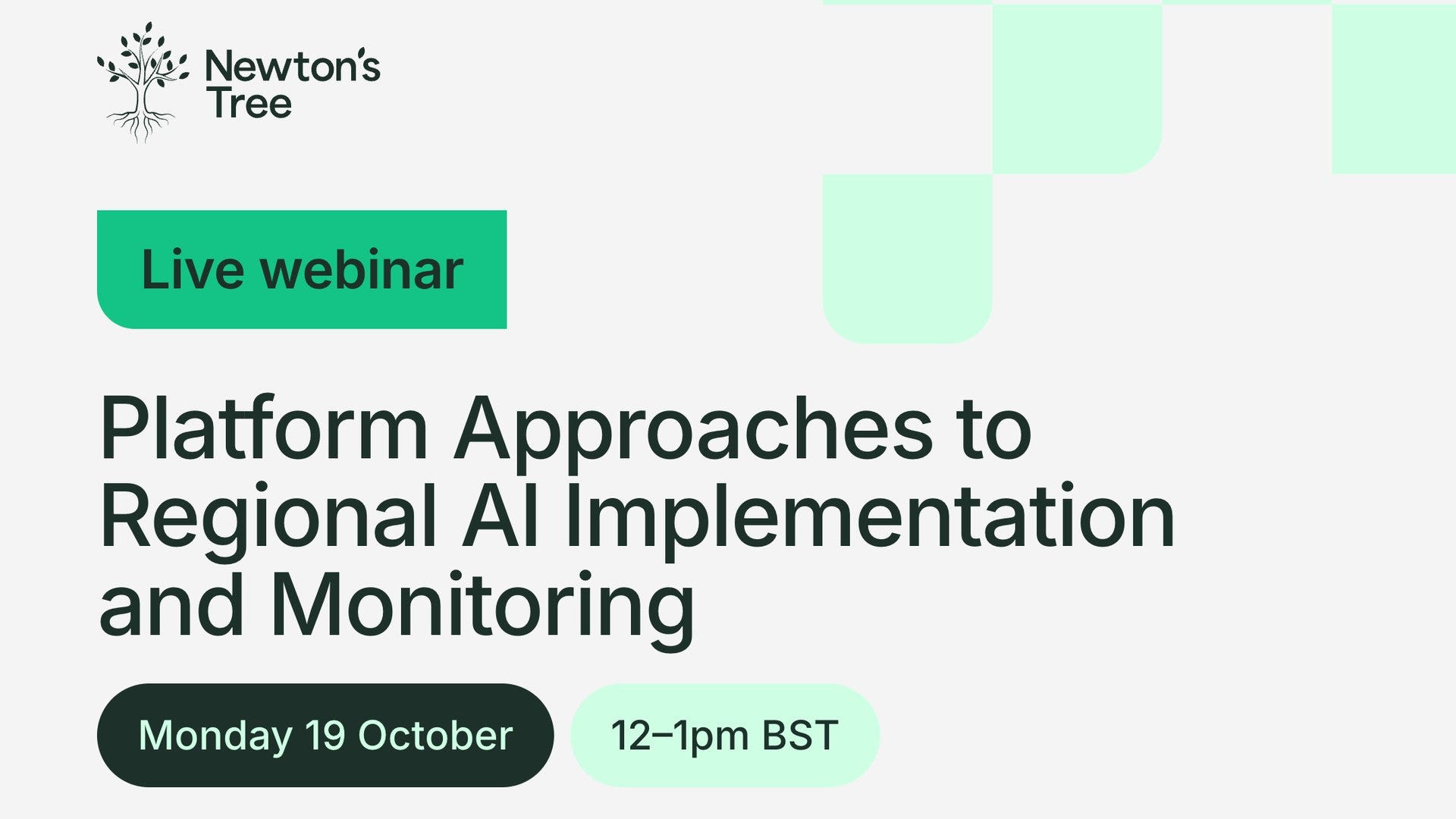
⭐ Platform Approaches to Regional AI Implementation and Monitoring
📅 Monday 19 October, 12pm to 1pm
🌐 Online
Our featured event happening next week is from the Newton’s Tree team who help hospitals deploy, monitor and govern clinical AI at scale. They’re hosting a lunchtime panel on how NHS organisations can roll out AI and keep it in check once it’s live. And it’s epic timing… AI diagnostics funding (AIDF round 2) has opened and the MHRA’s National Commission has just published its recommendations on regulating AI in healthcare. CEO Dr Haris Shuaib is joined by the MHRA’s Director of Strategy, Dr Ed Middleton, Prof David Lowe from CERSI-AI and Dr Claire Morris from Cambridge University Hospitals, so you’ll hear from the regulator, the people putting regulation into practice and a trust doing the adoption. If you’re buying, building or governing AI in the NHS, this is an hour extremely well spent.
Harley Street Health District Conference
🗓️ 20 Oct
📍 🇬🇧 1 Wimpole Street, London.
Lord Kakkar opens the line-up and Matthew Syed closes the day, with investors, NHS London and other global health districts (Texas Medical Center included) in between. It’s sold out, but the waitlist is open, so it’s worth a punt if you want to know where the money in London health is heading.
Frontiers Health
🗓️ 20–21 Oct
📍 🇩🇪 bcc Berlin Congress Center, Berlin.
Health equity is one of the four main themes, which I’d like to see more events copy. If you’re already in Berlin this week (and hopefully heading to Berghain after), you’ve got good taste (startup passes are €495 + VAT).
AI in Health Summit
🗓️ 4 Nov
📍 🇬🇧 Royal College of Physicians, London.
The Economist’s take on why AI keeps stalling between the pilot and the ward, with trust and accountability on the agenda. Good timing, given the government just pushed liability back to a working group.
Visit the SomX events page or subscribe to SomX’s events roundup for everything else.
Opportunities 🕵️♀️
🔴 Medical Device Auditor, Scarlet (London). If the government’s AI reply left you wondering who is checking these devices, it’s companies like Scarlet, which is authorised to certify them and says it’s shrinking AI update cycles from months to weeks (with the change-control guidance due in December, timely). You’d be auditing manufacturers’ quality systems against ISO 13485 and EU/UK MDR, so it suits someone with four-plus years in medical devices and some software know-how. And the red pen is presumably included.
💊 Head of Clinical Research, Numan (Remote, UK). A 12-month mat cover leading Numan’s real-world evidence on obesity treatment, with oral GLP-1s at the top of the list. If the nail study left you wanting better evidence, here’s your chance to produce it (PhD and PI experience needed). It’s fully remote, so your cuticles can stay at home.
🩸 Clinical Data & Device Specialist, Sava (London). Fresh off the £27m above, Sava’s whole bet now rides on its pivotal study, and this is the person keeping that study’s data clean. It suits someone with a few years in medtech clinical ops who knows their EDCs from their eTMFs (and doesn’t flinch at the word lock). We’re 'already tracking, and now we’re getting a filament ten times shorter. Is it that we hate wearing tech, or that we hate the needle? And is it weird that I kind of like injections?
📣 Want something in front of our 8,000+ readers?
You can break your news as the main story, feature a podcast, job or event... and we even have a few sponsorship packages to choose from...
We review everything editorially - if it is not right for our audience, we’ll let you know - everything has to be valuable to this glorious community.
See you next week, Pigeon fans ✌🏼

Healthtech Pigeon is produced by SomX - the media-led communications and creative agency for healthcare. We help healthtech, biotech, pharma and public sector organisations tell sharper stories through strategy, PR, content, design, events and media production. Built by clinicians, scientists and creatives who know the space. Work with us.